
Neko Technology
Made to measure
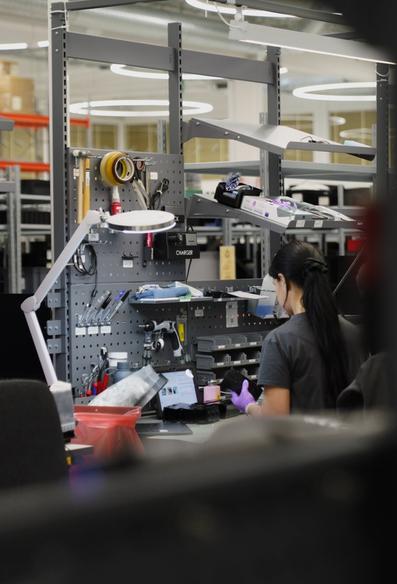
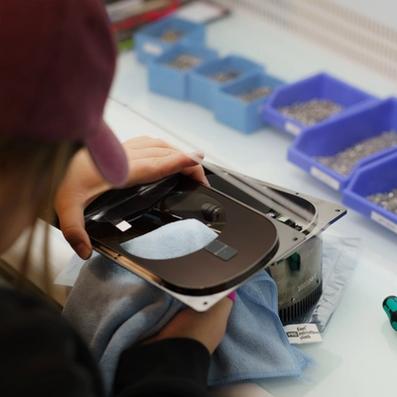
Engineered from the ground up
Since 2018, we have built proprietary medical devices in-house to the highest standards, bringing advanced imaging, optical sensing, and precision technology together in one system.
Your skin and body, in panoramic view
Some of the earliest signs of change appear on the skin. Others sit beneath it. Advanced imaging helps bring both into view by capturing skin features and temperature patterns invisible to the eye for further analysis and clinician review.
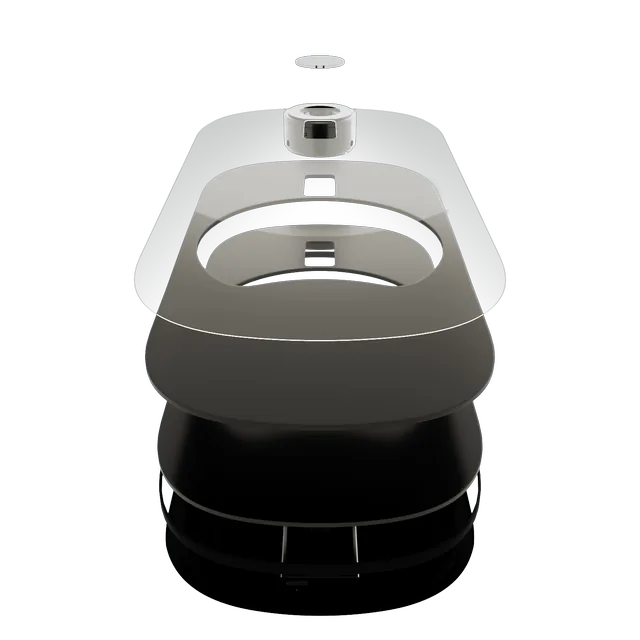
Derma by Neko
Your heart, in a whole new light
Meaningful changes in heart function can appear in movements too subtle to see. Optical sensing captures the mechanics of every heartbeat in exceptional detail from a distance. Read about our approach to cardiac measurement in Scientific Reports (Nature). [3]
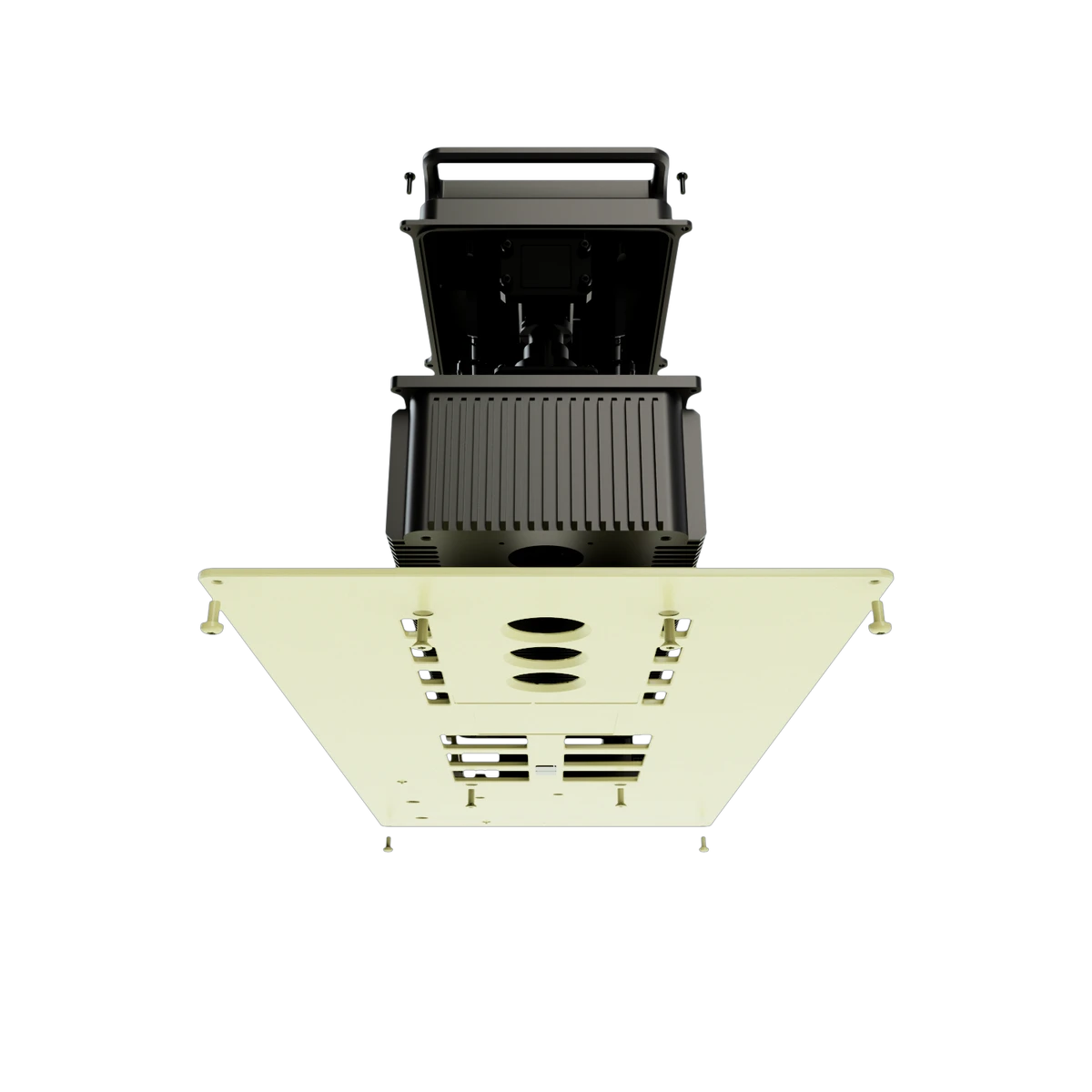
Echo by Neko
Circulation, seen beneath the feet
Circulatory change begins in the smallest vessels, long before damage is visible and often before anything feels wrong. We look from the ground up, using multi-wavelength imaging at your feet to reveal changes in tissue oxygenation over time.
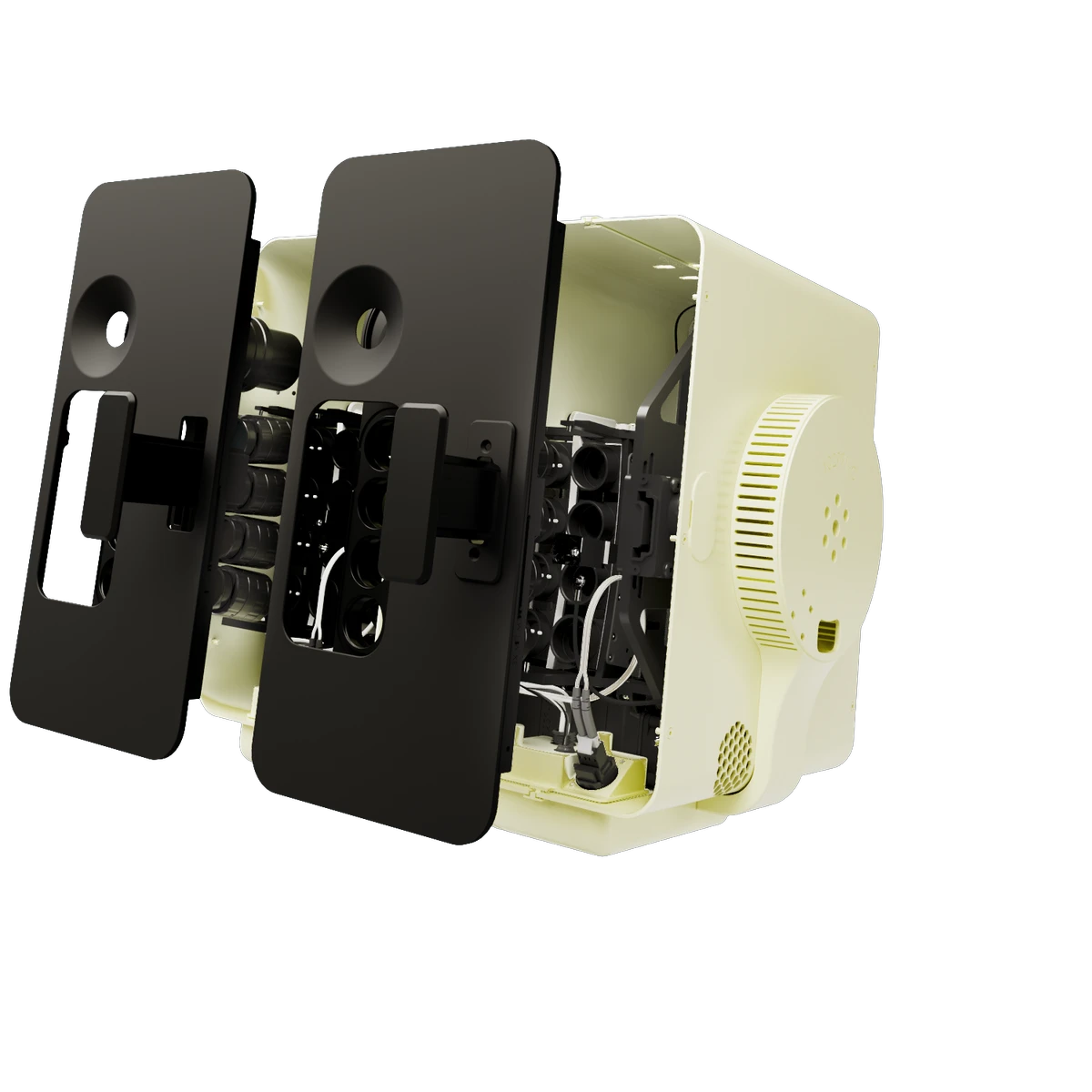
Spectrum by Neko
Blood work, brought up to speed
Every Neko clinic houses a blood lab run by biomedical scientists, carefully engineered to deliver results within the hour.
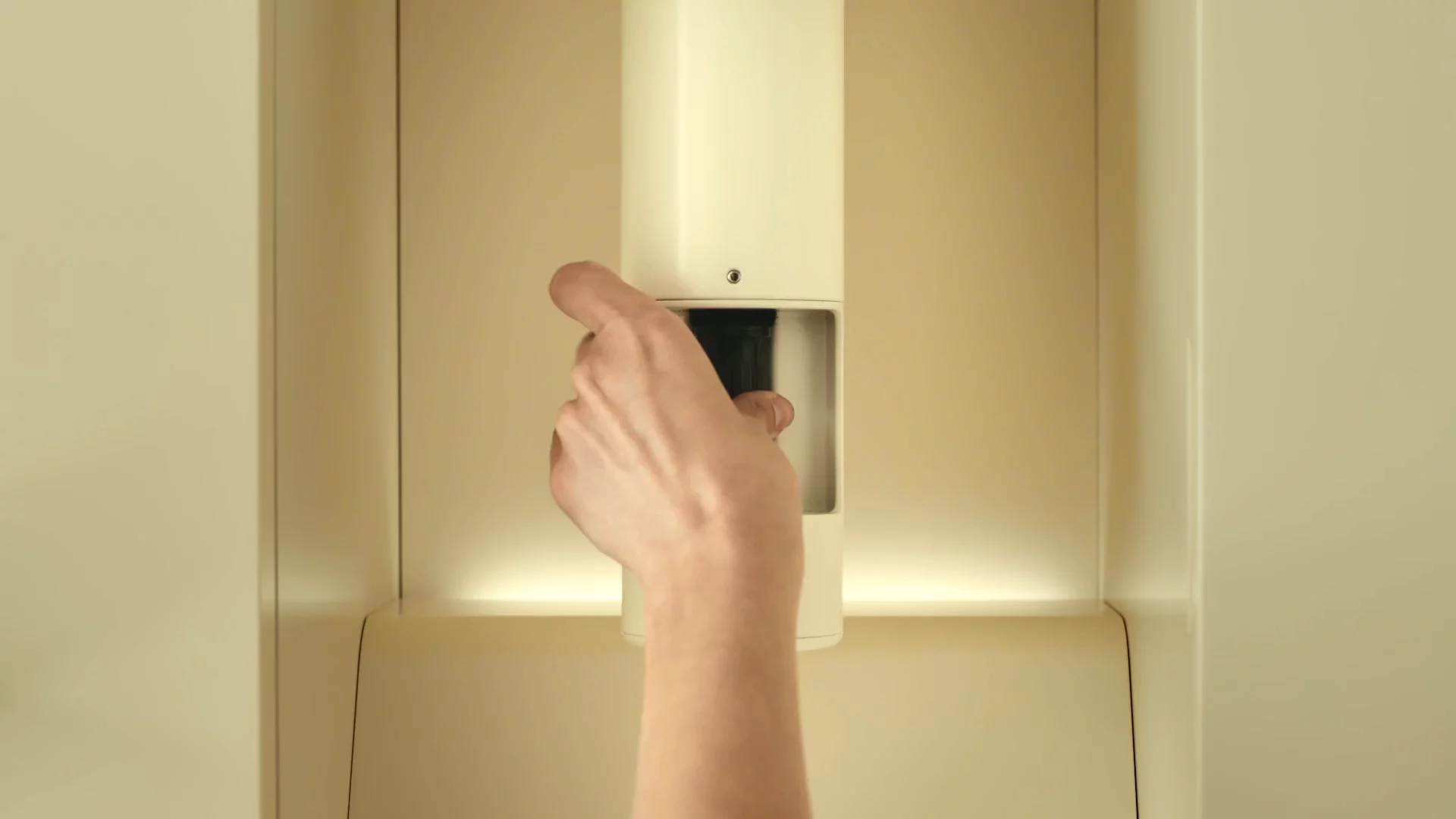
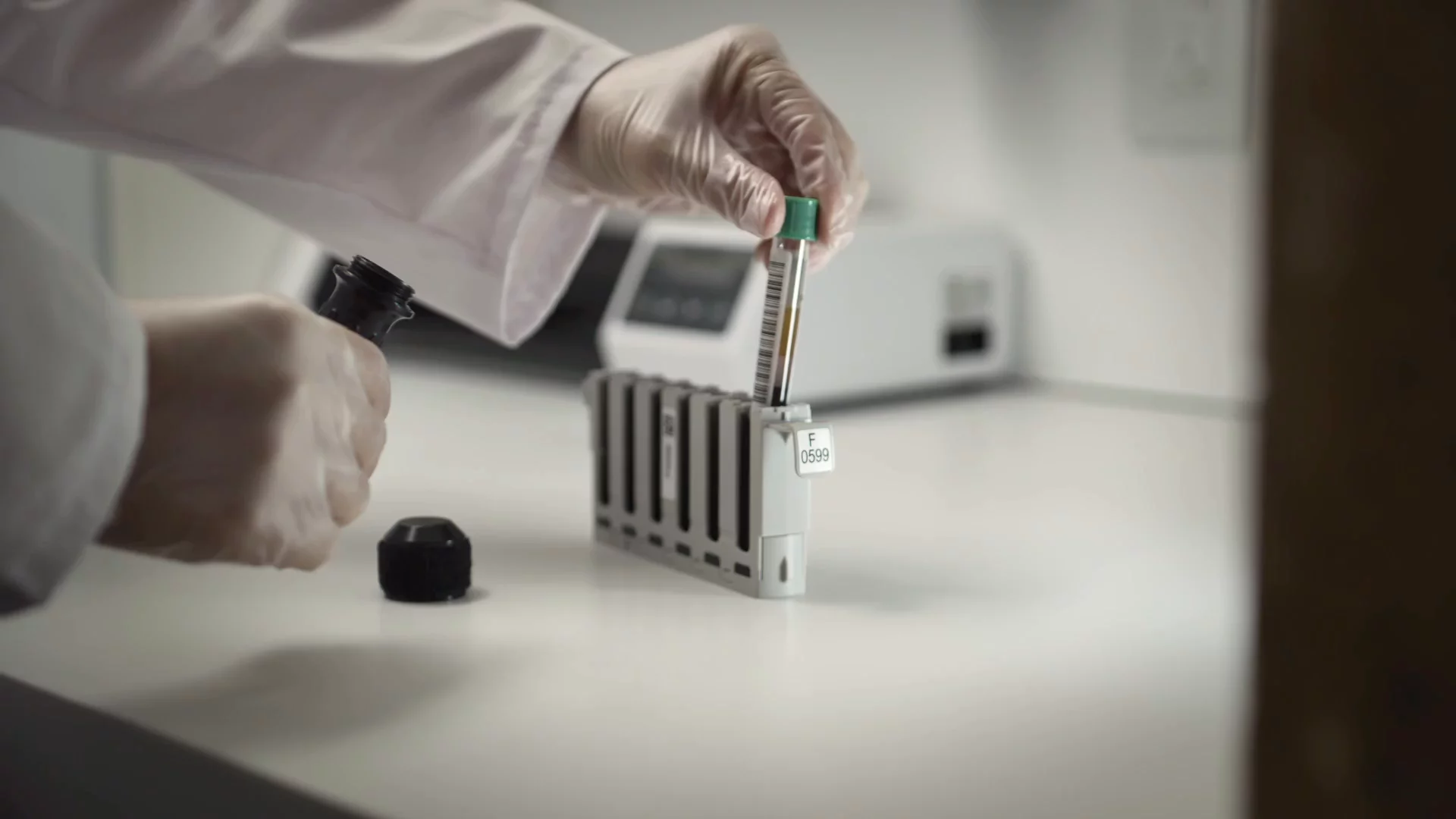
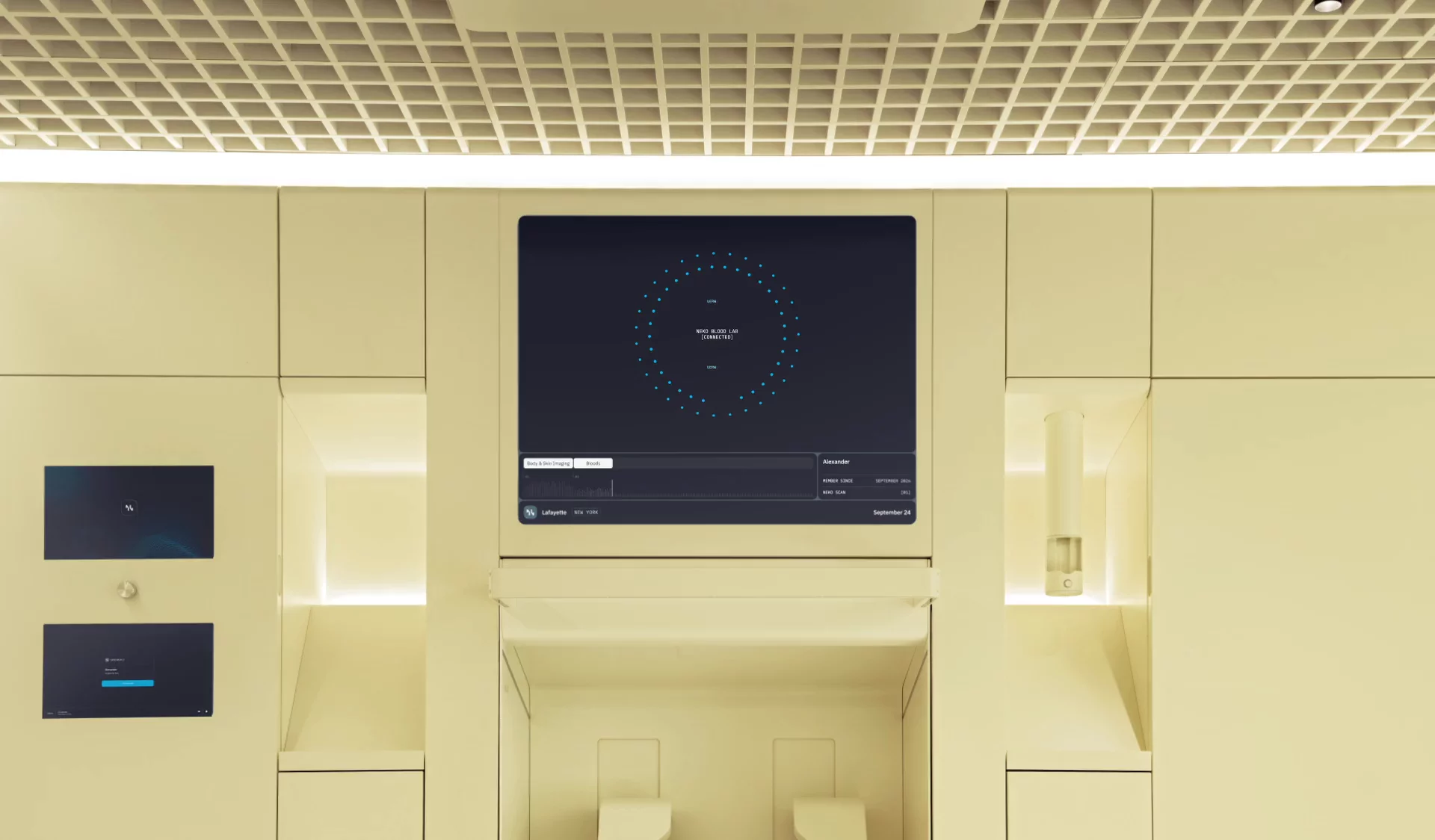
A custom-engineered transport path moves your blood straight to the lab, so your results are ready for review within the same visit.
Where one million signals meet
Each data point reveals a different dimension of your physiology. Neko brings those measurements together intelligently, turning individual signals into one connected picture of your health.
Research & development under one roof
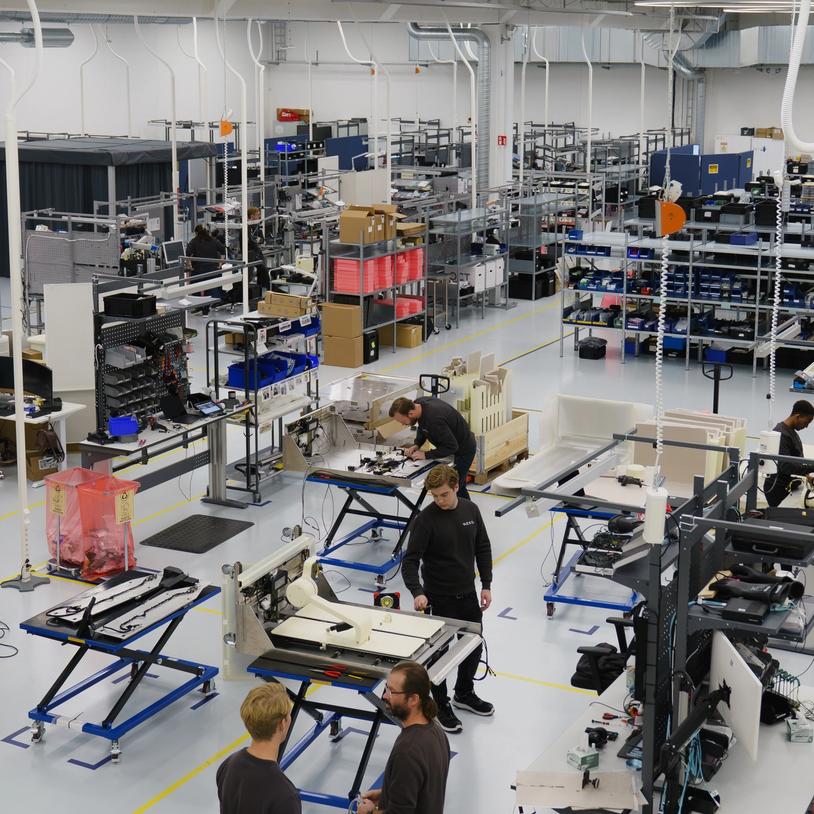
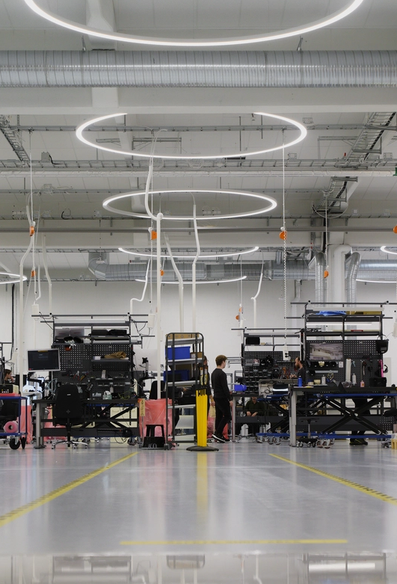
Chafik Driouichi, Chief Hardware OfficerThe experience we envisioned did not exist. So we built the technology to make it possible.
Mattias Windå, Senior Director of Medical Science & InnovationPrevention starts with the individual. Our methods look at biology as one system to capture all pieces of the puzzle.
Henrik Johansson, Senior Director of Data & AIWe start from first principles. What can physiology reveal, what can physics measure, and what can algorithms make sense of?
Research and studies


Sources
[1] World Health Organization (WHO). Skin cancer.
[2] National Cancer Institute, SEER. Cancer Stat Facts: Melanoma of the Skin
[3] Gonzalez-Billandon J, et al. Automated measurement of left ventricular ejection time via contactless suprasternal notch laser vibrometry. Scientific Reports. 2026. doi:10.1038/s41598-026-51677-7
[4] World Health Organization (WHO). Cardiovascular diseases (CVDs)
[5] Zhou J, et al. Global, regional, and national prevalence of peripheral arterial disease in 2023: an updated systematic review and modelling study. The Lancet Global Health. 2026. doi:10.1016/j.langlo.2026.103983